You’ve picked your language school in France and booked your flights, so now it’s time to pack. Deciding what to bring can be tough, so we’ve made this simple packing checklist to help you get started.
Some are essentials and some are to help with those pangs of homesickness you might feel from time to time.
Main key takeaways
- The most important items are your passport and insurance documents, and access to money.
- For electronics, power adaptors and voltage converters.
- Personal medications must be packed in your carry-on with a doctor’s note and original packaging.
- Pack smart by focusing on versatile clothing and comfortable walking shoes.
Power adaptors and voltage converters
France uses Type C and E plugs, and the standard voltage is 230V. This is different from the US (120V), the UK (220-240V), Japan (100V), and Korea (220V).
You’ll need a power adaptor so your devices fit French outlets. Not all devices can handle the higher voltage in France. Things like hairdryers, curling irons, or electric shavers from countries with lower voltage might need a voltage converter to work safely and avoid damage.
Laptops, smartphones, and smartwatches usually work fine with different voltages. You’ll still need a power adaptor, though.
Comfortable and versatile clothing
It’s often hard to decide what clothes to pack. Since France’s climate varies a lot (the north is cooler and rainier, while the south is warmer and drier), it’s best to bring clothes for different types of weather.
Pack layers like a light sweater or hoodie so you’re ready for cool mornings and warm afternoons. A waterproof jacket or raincoat is great for sudden rain. A small umbrella and a scarf can also come in handy, especially if you arrive in fall or winter. Comfortable shoes or sneakers are a must, since you’ll likely walk a lot while exploring during your first weeks in France.
Quick weather guide in France:
| Season | Avg. temperature 🌡️ | Key strategy 🧳 | Top item to pack 🧥 |
|---|---|---|---|
| Spring (Mar–May) 🌷 | 10°C – 18°C | Be ready for both sun and rain. | Light waterproof jacket |
| Summer (Jun–Aug) ☀️ | 20°C – 35°C (can exceed 35°C in some regions or heatwaves) | Stay cool in the city and protect yourself from the sun. | Sunscreen and breathable clothing |
| Autumn (Sep–Nov) 🍁 | 10°C – 20°C | Wear layers for chilly mornings and mild afternoons. | Scarf and jacket |
| Winter (Dec–Feb) ❄️ | 0°C – 8°C (colder in north/east) | Dress warmly to stay comfortable in the cold and damp. | Warm coat and gloves |
If you want to check the weather before you fly to France, look up Meteo France, which is the country’s main weather forecast channel.
Personal medication
If you want to bring medication to France, keep in mind that there are strict rules about importing it. We recommend packing it in your carry-on, along with a doctor’s note and the original packaging. Be sure to check our guide on how to bring your prescription medication to France.
You might want to bring over-the-counter medicine like pain relievers from home. Unless you have extra space in your suitcase, it’s better not to pack too many, since French pharmacies have plenty of options. They also sell premium beauty products that can be hard to find elsewhere, so you’ll probably want to visit one soon after you arrive.
Cash
Many cafés, restaurants, and small shops are going cashless, but it’s still smart to carry some cash just in case. Some places only take cards for purchases over 5 or 10 euros, so you might need cash for small buys.
You don’t need to bring cash with you before you travel. You can get euros at the airport or withdraw cash from ATMs in your city in France. If you use a Wise multi-currency account, converting your money and taking out cash is easy.
Toiletries
You can find most toiletries in France, but if you have favorite brands or special needs, like sensitive skin, it’s a good idea to bring them. This gives you time to look for good alternatives once you’re there.
Comfort foods
Bringing a small stash of your favorite tea, coffee, or snacks can provide a comforting taste of home during your adjustment period in France.
Be careful when choosing what to pack for France. Some things, like meat and dairy products, aren’t allowed.
Books
Even though you’ll be surrounded by French language and culture, bringing books in your own language can be a nice break and help you relax between studies.
Gifts and souvenirs
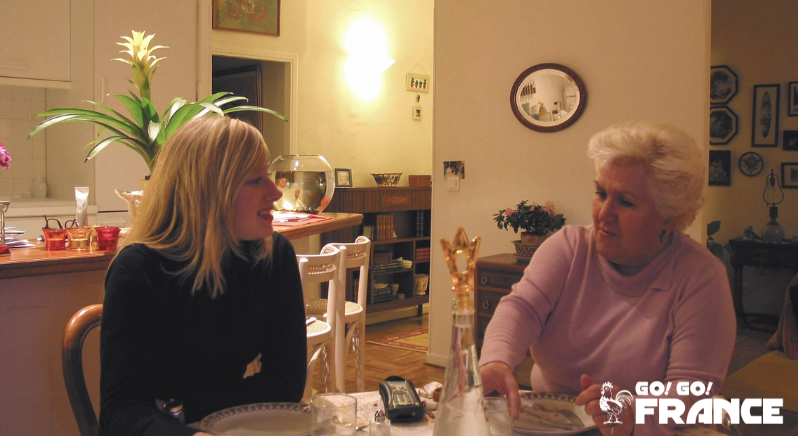
If you’re staying with a host family, think about bringing small gifts from your home country. This thoughtful gesture is always appreciated and can help you connect with your hosts. So, as you pack for your new life in France, save a little space for gifts for the people you’ll meet.
Visit our blog to learn more about the French culture and life in France.