Last updated: April 1, 2026.
Are you planning to study in France or just looking for a holiday? The best time to visit depends on the experience you want. This guide will help you look at the pros and cons of each season so you can decide what works best for you.
Key Takeaways
- Spring has mild weather and blooming landscapes, making everything lively and comfortable. As the season continues, you may see more crowds and higher prices.
- Summer is warm and energetic, with festivals, long days, and many social events. It is also the busiest season, so expect bigger crowds, higher prices, and occasional heatwaves.
- Fall is cooler and quieter, with fewer tourists, colorful leaves, and harvest celebrations. Days become shorter and the weather can be unpredictable.
- Winter is cold but festive, with a quieter atmosphere, Christmas markets, and fun winter activities. There is also less daylight during this season.
- In France, the academic year begins in September or October.
- Each season brings its own flavors, changing what you find on menus throughout the year.

When is the best season to visit France?
France’s climate varies greatly from region to region:
- Northern France, including Paris and Lille, is cooler and gets more rain.
- Western areas like Brittany and Normandy are mild but often windy and wet.
- Central France has moderate weather, with warm summers and cold winters.
- The south, such as Provence and the French Riviera, is warmer, sunnier, and drier for most of the year.
- In the east, near the Alps, winters are colder with snow, making it ideal for winter sports.
Quick weather guide in France:
| Weather guide | Spring (Mar–May) 🌷 | Summer (Jun–Aug) ☀️ | Fall (Sep–Nov) 🍁 | Winter (Dec–Feb) ❄️ |
| Avg. temperature | 10°C – 18°C | 20°C – 35°C (can exceed 35°C in some regions or heatwaves) | 10°C – 20°C | 0°C – 8°C (colder in north/east) |
| Key strategy | Be ready for both sun and rain. | Stay cool in the city and protect yourself from the sun. | Wear layers for chilly mornings and mild afternoons. | Dress warmly to stay comfortable in the cold and damp. |
What makes each season in France unique?
What can I expect during spring in France?
Spring in France, from March to May, feels like a fresh start. Cities and the countryside come alive with blooming flowers, green parks, and new energy. It’s a great time to walk around, enjoy lively terraces, and watch locals spending more time outdoors.
- Pros: The mild, comfortable weather makes sightseeing enjoyable without the summer heat. Parks, gardens, and riverside walks are at their best, and cultural events start to pop up. It’s also a good time to visit before the peak tourist season. Markets are full of seasonal produce, and outdoor dining is very popular.
- Cons: As the weather gets better, popular places can start to get crowded, especially during holidays and big events. Accommodation prices may go up, especially in famous cities. Some attractions might still have limited hours early in spring, and you could get some unexpected rain showers.
- Where to go: Visit Paris for café culture and blooming gardens, the Loire Valley for château visits and countryside views, and Normandy for coastal scenery and art history. Provence is beautiful for wildflowers and festivals, and Alsace has charming towns coming back to life after winter.
- What to do: Enjoy the glamour of the Cannes Film Festival, walk through the gardens at the Palace of Versailles, join in local Easter traditions and spring fairs, visit flower markets, and relax at outdoor café terraces. Hiking and cycling are also great in the countryside during spring.
What can I expect during summer in France?
Summer in France, from June to August, is the most energetic time of year. Long, sunny days are perfect for festivals, travel, and outdoor living. Cities are lively, and coastal and rural areas are great for relaxing or adventure.
- Pros: Longer days let you do more each day, from sightseeing to socializing or traveling. Festivals, concerts, and events are everywhere, and it is a good time for short-term language programs or study trips. Beaches, lakes, and rivers are busy with swimming and water sports, and the mountains are great for hiking.
- Cons: Summer is peak tourist season, so attractions are crowded, prices are higher, and transportation is busy. Heatwaves can happen, especially in cities, making it tiring to explore during the day. In August, many locals go on holiday, so some shops and restaurants may close for a while.
- Where to go: Head to the French Riviera for beaches and nightlife, Bordeaux for wine and culture, and the French Alps for hiking and mountain views. The Atlantic coast, like Biarritz and La Rochelle, is great for surfing, while Dordogne and Ardèche are popular for canoeing and outdoor activities.
- What to do: Go to music festivals like Rock en Seine, relax by the Mediterranean in Nice, see the famous lavender fields in Provence, watch open-air movies, try kayaking, and join Bastille Day celebrations on July 14th.
What can I expect during fall in France?
Fall in France, from September to November, is slower and more relaxed. The academic year starts, so daily life is more structured, which is good for focused study. The changing colors of the landscape also make it a warm and beautiful time to visit.
- Pros: Cooler weather and fewer tourists make it easier to enjoy cities and cultural sites at a relaxed pace. Fall is harvest season, so you can try special food and wine that show off local traditions. The changing leaves create beautiful scenery, especially in parks, forests, and vineyards. Academic and cultural life is lively as schools and universities start again.
- Cons: Days get shorter and it rains more often, which can limit outdoor activities. Life is quieter than in summer. Some tourist attractions may have shorter hours or close for the off-season, and outdoor festivals end.
- Where to go: Visit Paris for museums and student life, Dijon for food and Burgundy wines, and Alsace for vineyards and pretty villages. The Loire Valley and Dordogne are beautiful with fall colors, and Lyon is full of cultural events.
- What to do: Take part in wine harvest celebrations, visit top museums, hike or bike through colorful forests, and try seasonal foods like chestnut soup.
What can I expect during winter in France?
Winter in France, from December to February, is quieter and more intimate, with many seasonal traditions. Cities are bright with festive lights, and the mountains become popular for winter sports.
- Pros: There are fewer tourists, so you can enjoy major attractions in a more relaxed way. The holiday season feels magical with markets, decorations, and events. Winter sports are popular in the Alps and Pyrenees, and travel is often cheaper outside the holidays.
- Cons: Cold weather and less daylight can make sightseeing harder. Some rural or coastal places may have shorter hours or be closed. Strikes or travel delays are more common in winter, and icy roads can affect your plans.
- Where to go: Visit Paris for festive lights and winter charm, Lyon for the Fête des Lumières, and the French Alps for skiing and snow sports. Strasbourg is famous for its Christmas markets, and the Pyrenees and Vosges are great for winter sports too.
- What to do: Visit traditional Christmas markets, ski in the Alps, go ice skating in city squares, enjoy winter foods like raclette and fondue, relax in thermal spas, and celebrate New Year’s in a lively French city.
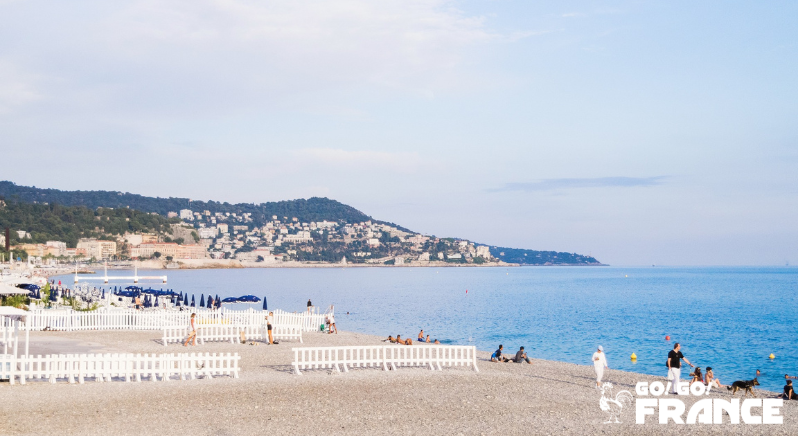
Discover French cities by season
We can help you live and study in more than 10 places across France, from big cities to small towns, whether you like busy city life or quiet spots near the sea or mountains.
Get a feel for the weather and crowds in these cities throughout the year so you can pick the best season to arrive in France.
| City | Spring (Mar–May) | Summer (Jun–Aug) | Fall (Sep–Nov) | Winter (Dec–Feb) |
| Aix-en-Provence | ☀️ Mild, sunny 👥 Medium crowd | ☀️🔥 Hot, dry 👥 High crowd | 🌤️ Warm, cool 👥 Medium crowd | 🌧️ Cool, mild 👥 Low crowd |
| Biarritz | 🌤️ Mild, breezy 👥 Low–medium crowd | ☀️ Warm, breezy 👥 High crowd | 🌧️ Cool, windy 👥 Medium crowd | 🌧️ Cool, wet👥 Low crowd |
| Bordeaux | 🌤️ Mild, light rain👥 Medium crowd | ☀️🔥 Warm–hot👥 High crowd | 🌧️ Cool, some rain👥 Medium crowd | 🌧️ Cool, damp👥 Low crowd |
| Lille | 🌥️ Cool, cloudy👥 Low–medium crowd | 🌤️ Mild👥 Medium crowd | 🌧️ Cool, rainy👥 Medium crowd | ❄️ Cold, grey👥 Low crowd |
| Lyon | 🌤️ Mild👥 Medium crowd | ☀️🔥 Warm–hot👥 Medium–high crowd | 🍂 Cool, crisp👥 Medium crowd | ❄️ Cold, foggy👥 Low crowd |
| Marseille | ☀️ Warm, sunny👥 Medium crowd | ☀️🔥 Very hot👥 High crowd | 🌤️ Warm, mild👥 Medium crowd | 🌬️ Mild, windy👥 Low crowd |
| Montpellier | ☀️ Warm, sunny👥 Medium crowd | ☀️🔥 Very hot👥 High crowd | 🌤️ Warm👥 Medium crowd | 🌤️ Mild👥 Low crowd |
| Nice | ☀️ Mild, sunny👥 Medium crowd | ☀️🔥 Hot, humid👥 Very high crowd | 🌤️ Warm👥 Medium crowd | ☀️ Mild👥 Low crowd |
| Paris | 🌤️ Mild, some rain👥 Medium–high crowd | ☀️ Warm, hot👥 Very high crowd | 🍂 Cool, crisp👥 Medium crowd | ❄️ Cold, grey👥 Low–medium crowd |
| Toulouse | ☀️ Mild, sunny👥 Medium crowd | ☀️🔥 Hot, dry👥 Medium crowd | 🌤️ Warm, cool👥 Medium crowd | 🌧️ Mild, some rain👥 Low crowd |
Seasonal French cuisine
Each season in France brings its own flavors and ingredients, changing what you find on menus throughout the year.
- In spring, meals are light and fresh, with tender vegetables and the first fruits of the year. You might enjoy a fresh asparagus tart or delicate strawberry tartelette.
- Summer brings lots of ripe fruits and vegetables, leading to colorful salads, cold soups, and dishes best enjoyed in the warm sun. You should try specialties like ratatouille and salade niçoise.
- During fall, menus feature earthy flavors like mushrooms, squash, and game, with heartier meals that reflect the harvest. Look for mushroom fricassée or coq au vin.
- In winter, people enjoy rich, comforting dishes made with root vegetables, preserved fruits, and slow-cooked meats. You must try classic raclette or a rich beef bourguignon.
If you’re curious about what to try while in France, check out our list of must-try French seasonal dishes.
Frequently Asked Questions
Which season is right for me?
It depends on your preferences! Choose spring for blooming gardens and outdoor activities, summer for festivals and beach life, fall season for food, wine, and colorful scenery, and winter for festive Christmas markets and skiing. Consider what experiences matter most to you.
What is the weather like in France year-round?
France has a temperate climate overall, but conditions vary by region. Winters are coldest in the north and east, while summers are hottest and driest in the south. Spring and fall are mild across most regions, with more rain in the north and west.
When is the busiest time to visit France?
The busiest time is summer, especially from late June through August. Major cities and tourist destinations like Paris and Nice are crowded, and prices are at their highest. Expect more crowds during school holidays and major festivals.
What is the best season to visit France to avoid crowds?
To avoid crowds, plan your visit in spring (March–May) or fall (September–November). These are considered the shoulder seasons: attractions are less crowded, accommodations are easier to find, and the weather is still pleasant. Outside the Christmas holidays, winter can also be a good option to avoid the crowds.
Visit our blog to learn more about the French culture and life in France.